NOT KNOWING WHAT YOU SEE (AND SEARCHING/FINDING KEYS)

NOT KNOWING WHAT YOU SEE (AND SEARCHING/FINDING KEYS)

The following text addresses the question of ambiguity in art, as well as in relation to science. He approaches the idea of the difficult to define, the importance of attention, the requirement of commitment and the discomfort that activates thought. He also speaks of ambiguity as an oblique illumination, a resizing, a material, a vector…
SHAPING THE SONIC

SHAPING THE SONIC

Artist residencies are as varied as the definition of art, in terms of their approaches to supporting and engaging with artists, through creating space for a focused period of research-creation. I’ve experienced numerous local, national and international residencies and have been supported in different ways, ranging from the simple allocation of studio and often shared…

THE OPPOSITE OF ILLUMINATION

THE OPPOSITE OF ILLUMINATION

  Why is the fear of scientists not told? Why is the doubt that is part of the very subject of scientific articles systematically omitted? Why are the dark spots that surround the most fundamental discoveries always masked? We like to present science as the temple of reason. Everything would be clear here. Everything here…

WHEN SCIENCE IS BROKEN OR SOME CONSIDERATIONS ON QUANTITATIVE MANAGEMENT IN SCIENCE AS IN ART

WHEN SCIENCE IS BROKEN OR SOME CONSIDERATIONS ON QUANTITATIVE MANAGEMENT IN SCIENCE AS IN ART

In this post, we would like to react to the article “Science Is Broken”, published on November 7, 2017. On the one hand, this article echoes our observation of a science in crisis, by giving it flesh. Siddhartha Roy and Marc A. Edwards describe the rather dramatic state of academic research following the development of…

RESIDING OUTSIDE OF TIME

RESIDING OUTSIDE OF TIME

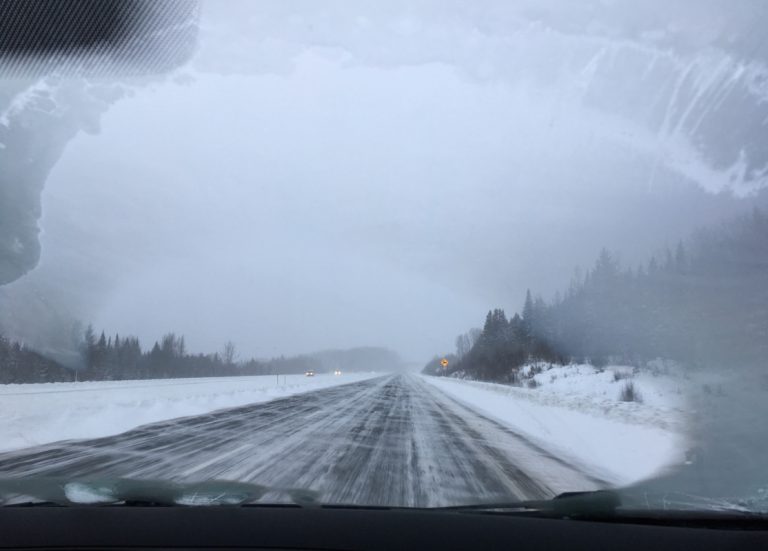
A wild, wild blizzard howls outside, whipping against the large windows of the residency apartment at Sporobole. It is the very snowy, brand new year and what feels like the real beginning of this residency, in terms of being “in residence”. When I arrived earlier for my first night here, just after the notorious “bomb cyclone” had…

DIGGING IN

DIGGING IN

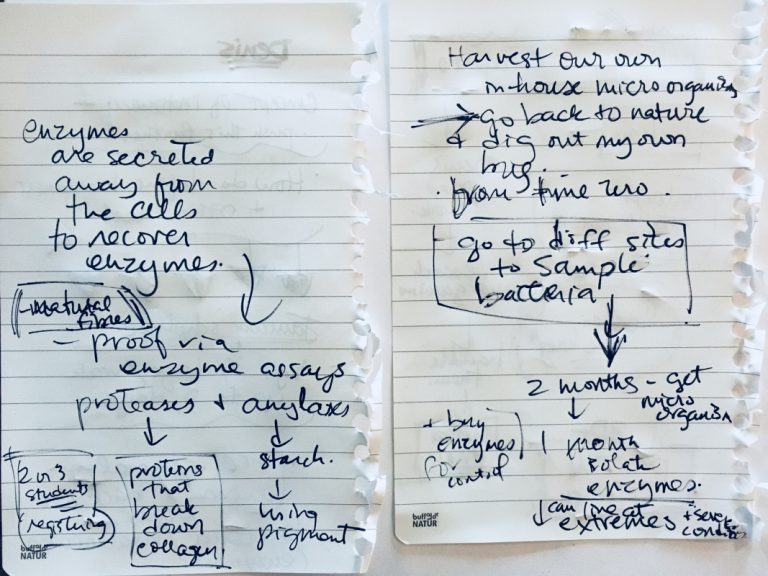
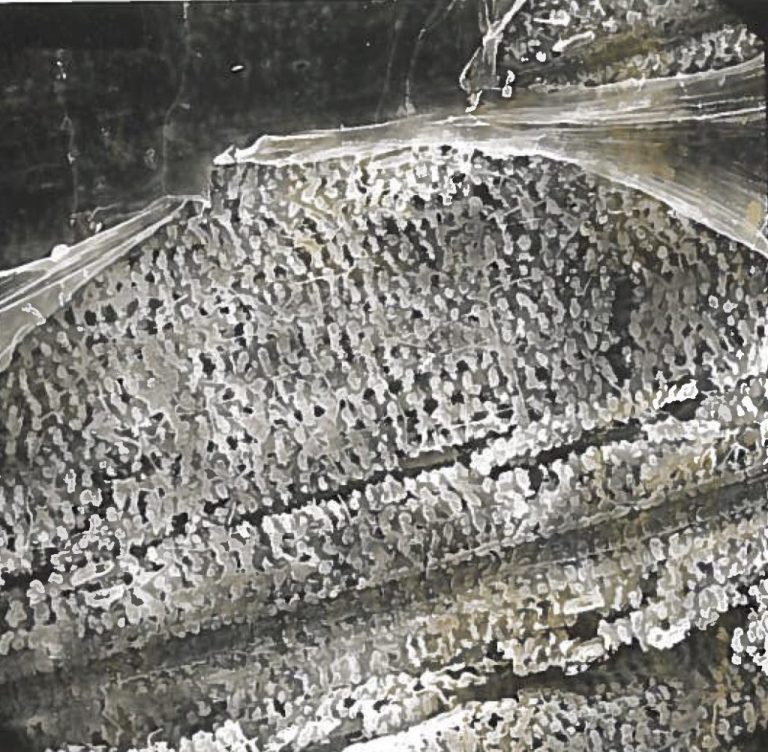
What do a waste management infrastructure, a historic tannery site and bacterial enzymes have in common? This first field research question was investigated at the Station d’épuration Jean-R. Marcotte in Pointe aux Trembles (east Montreal Island), followed by soil sample collection at the site of the former Village des Tanneries (Saint-Henri), then the Speculative Life BioLab at the Milieux Institute (where I…

“A CLEAR, SMOOTH MIRROR”: ON THE THEME OF THE EFFICIENCY/INEFFICIENCY OF SCIENCE

“A CLEAR, SMOOTH MIRROR”: ON THE THEME OF THE EFFICIENCY/INEFFICIENCY OF SCIENCE

  A great French publisher, who was praised for the effectiveness of publishing in discovering new authors, once said: “We will never know the names of the geniuses of literature who have not been published! ». This is also true for science: we will never know what could have been discovered that was not. Even…

ISOLATING INTIMACY

ISOLATING INTIMACY

In looking at concepts of intimacy with/around micro-organic entities, relationship boundaries of ‘self’ and ‘other’ are of course necessary considerations, but so are the sites where this intimacy occurs and the processes by which it occurs. (See here an excellent paper on “human-thrush entanglements” re Candida albicans, self and other, by my friend and former colleague at SymbioticA, Tarsh Bates). If bacterial selves…

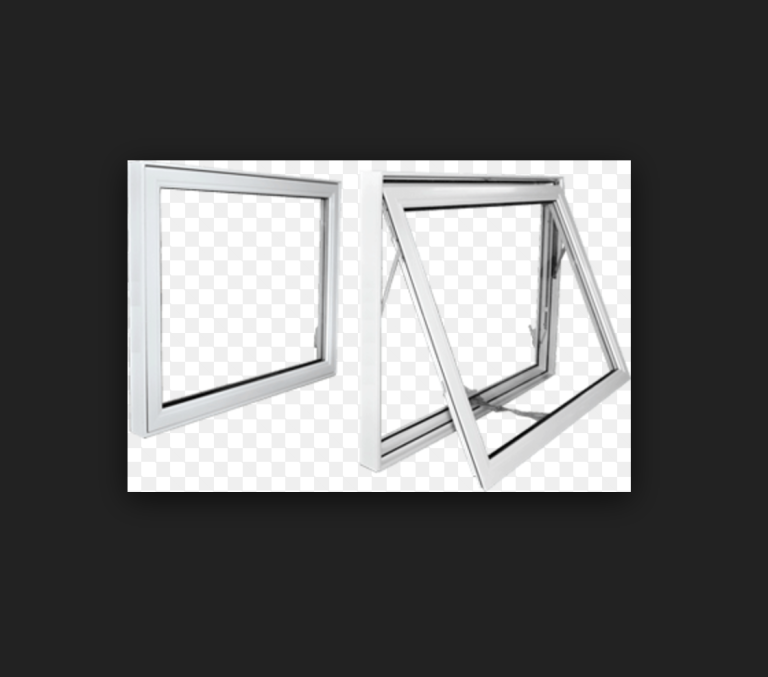
APPROACH THE IDEA OF COUNTER-KNOWLEDGE (OPEN WINDOWS AND TURN AROUND THE SHAPELESS)

APPROACH THE IDEA OF COUNTER-KNOWLEDGE (OPEN WINDOWS AND TURN AROUND THE SHAPELESS)

  The following text presents the theoretical framework that will guide our further reflections; the definitions of a set of terms that will be used repeatedly; a first reflection on the notion of counter-knowledge and a fragment of observation around the work “Rainbow assembly” by Olafur Eliasson. About the approach taken It will be important…

BACTOINTIMACY

BACTOINTIMACY

An illustration of the locations and functions of Bacteroides succinogenes, part of an explanation provided to me by Denis Groleau. This species of bacteria uses enzymatic interactions with ingested cellulosic materials (plantstuffs like grass, grain, etc) in the rumen to break it down and absorb the minerals and nutrients, which it delivers to the ruminant’s stomach to be…

IMAG(IN)E THE WAY-FINDING

IMAG(IN)E THE WAY-FINDING

What happens when an artist and a scientist meet for the first time, with the mandate to “collaborate” on a new research-creation project? Performing, as the institutional  “experiment” ourselves, in a meta relationship of sci-art co-mingling, our goal is to generate a unique, rigorous and enriched body of new knowledge, the form of which is…

A FUTURE SALVO

A FUTURE SALVO

The world of science and the art world are both in crisis. Their crises are equally profound, and equally distressing. But their effects are not produced in the same way in each case. The crisis running through the world of science has the appearance of a problem of status. Researchers are witnessing their investigative freedoms…